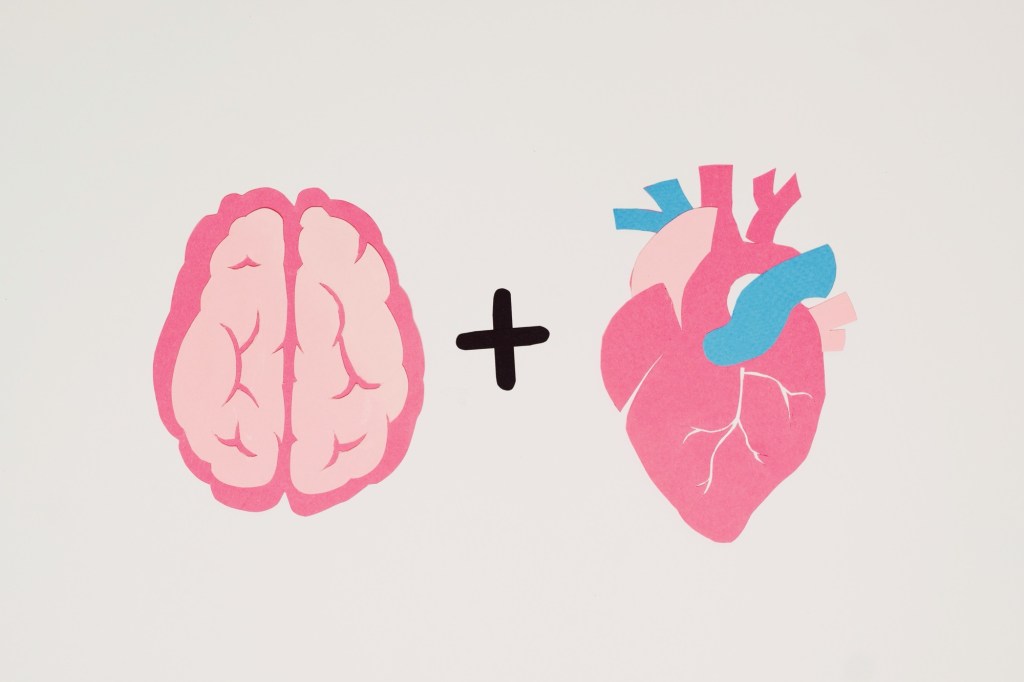


Most people move through life in a constant state of stimulation. Notifications, emails, news, scrolling, phone calls, conversations. Responsibilities, expectations, deadlines. Planning, worry, overthinking. Even when we finally sit down to rest, our minds often continue running.
Many people today spend much of their lives in a sympathetic nervous system state (commonly referred to as “fight or flight”). While this stress response is important in moments of danger or urgency, our bodies were not designed to stay in that heightened state all the time. The nervous system tends to recover and restore more effectively in the parasympathetic state (often called “rest and digest”). This is the state associated with calm, relaxation, digestion, recovery, and sleep.
When we feel safe and grounded, the body often functions differently: stress levels may decrease, sleep can improve, digestion may feel more consistent. Our minds become clearer, and we can feel less reactive to the world around us.
Regulating the nervous system is not about becoming peaceful all the time. It is about creating enough stillness and awareness in the body that recovery and healing become more possible.
Signs of a Dysregulated Nervous System
Nervous system dysregulation can show up in emotional, mental, and physical ways.
Some people notice:
- Racing thoughts
- Difficulty focusing or concentrating
- Intense feelings of anxiousness or sadness
- Poor sleep or difficulty staying asleep
- Feeling disconnected from what’s going on around you
Stress and chronic overstimulation can also impact physical health and daily functioning. Some people may experience:
- Shallow chest breathing
- Lightheadedness
- Fatigue
- Heart palpitations
- Blood pressure irregularities
- Nausea
- Bloating
- Constipation or diarrhea
- Bladder urgency or incontinence
- Changes in libido
- Erectile dysfunction
- Eye strain or light sensitivity
For myself personally, when I do not prioritize true rest or relaxation, it manifests in my body as neck and back pain, sugar cravings, an inability to focus, always feeling tired, and repetitive anxious thought spirals.
When the nervous system remains chronically overstimulated, the body can begin to lose its natural rhythm. Sleep cycles become disrupted. Hormones become dysregulated. Energy fluctuates. Even simple routines can start to feel difficult.
Our bodies crave rhythm, consistency, and safety. But modern life rarely encourages any of those things.
Your Mind Is Not Always Telling the Truth
One of the most powerful things meditation teaches us is that we are not our thoughts.
Many of us spend our lives unconsciously believing every thought that enters the mind. We create stories, assumptions, fears, and expectations that continuously stimulate the nervous system.
Meditation invites us to observe instead of react.
To pause instead of spiral.
To notice thoughts without allowing them to control us.
In that stillness, we often discover something underneath the noise: clarity, truth, awareness, intuition, and peace.
The goal is not to eliminate thoughts. The goal is to stop living entirely inside them.
Can a Weekend in the Woods Actually Regulate Your Nervous System?
Maybe!
Not because one weekend magically changes your life, but because it can reconnect you with practices, routines, and environments that support nervous system regulation over time.
Research suggests spending time in nature may help reduce stress and regulate blood pressure. Being near trees, rivers, fresh air, and natural light can help the body feel calmer, stimulate natural healing, and realign your circadian rhythm.
Yoga may help support stress reduction, body awareness, flexibility, and emotional regulation. For many people, it offers an opportunity to reconnect with the body when daily life keeps us constantly in our minds.
Meditation can help strengthen focus and attention while helping us become less emotionally reactive to everyday stressors and triggers.
Nourishing meals help stabilize energy levels which impacts sleep, mood, and overall well-being.
And perhaps most importantly, stepping away from constant stimulation creates space to hear ourselves again.
Are You Living Intentionally or Just Reacting?
Most of us rarely pause long enough to ask that question.
We do need responsibilities and structure. We do need to work and participate in life. But many people are functioning in survival mode without realizing it. There is already enough chaos in the world.
Creating moments of intentional rest is not laziness. It is maintenance for your mind, body, and nervous system.
An Invitation to Rest & Reset
This July 17–19, I’ll be hosting the Rest & Reset Retreat near Gold Bar, Washington.
We’ll spend the weekend surrounded by the forest, near a river, in a cozy cabin.
The retreat will include:
- Nourishing meals
- Yoga
- Meditation
- Time in nature
- Rest
- Reflection
- Connection
There will be a hot tub, quiet mornings, fresh air, and time away from the constant noise and demands of daily life.
This retreat is not about escaping reality forever.
It is about stepping away long enough to acknowledge how modern life impacts your nervous system. And learning practices to reconnect your body and mind.
The intention is that you leave not only feeling rested, but with tools to bring back into your everyday life to help maintain a deeper sense of calm, awareness, and connection.
Healing does not always begin with doing more. Sometimes it begins with slowing down enough to listen.
 Renewtrition
Leave a comment